
【上】Chinese Character Details
| Pinyin | shǎng, shàng |
|---|---|
| Zhuyin | ㄕㄤˇ, ㄕㄤˋ |
| Radical | ⺊ |
| Strokes | 3 |
| Structure | 独体 |
| HSK | 1 |
| TOCFL | 1 |
| Unicode | u+4e0a |
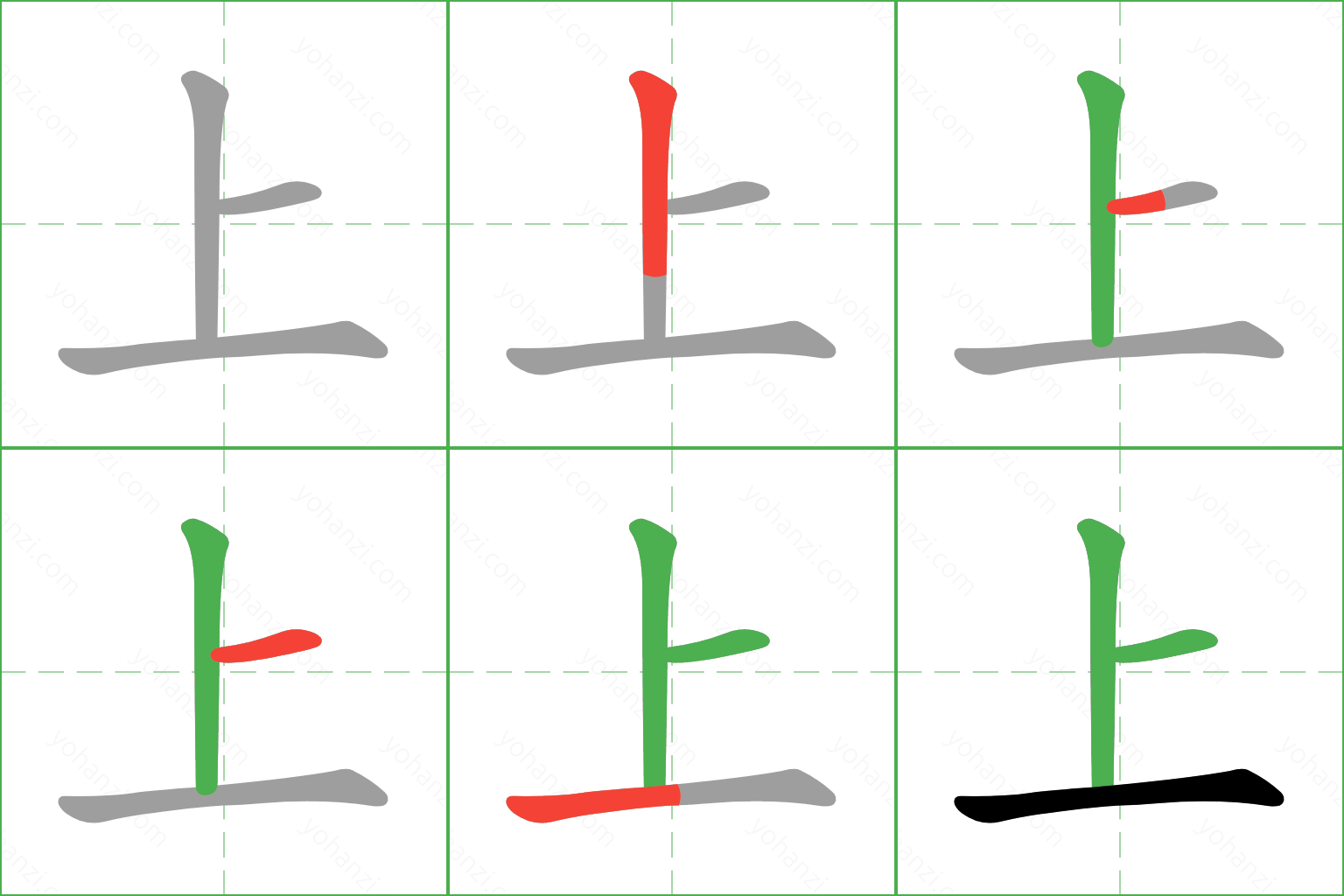
Stroke Order Diagram
🔊1.竖
🔊2.横
🔊3.横
Meanings
shàng
(1) 指物体的高处、表面或边侧。与“下”相对。如:“上面”、“楼上”。
(2) 在前面的:表示时间或次序在前面的。如:“上一位”、“上个月”。表示最好的、优等的。如:“上等货”、“三十六计走为上策”。
(3) 在上位的、地位高的。如:“皇上”、“君上”、“上级”、“上流社会”。
. . . . . .shǎng
(1) 中古声调四声(平、上、去、入)之一。如“董”、“肿”、“止”、“旨”等字。
Meanings
shǎng
1.
意思是汉语平上去入四声的第二声,也指普通话的第3声
falling-rising tone
【Examples】
◎ 他能正确发出上声。
◎ He can correctly pronounce the rising tone.
◎ 他正在练习上声。
◎ He is practicing the third tone.
. . . . . .shàng
1.
纠缠
tangle;become entangled
【Examples】
◎ 他总是想让我上当。
◎ He always tries to trick me.
◎ 我再也不会上当了。
◎ I will never be fooled again.